Apr 04, 2026
What Is a SOAP Note in Veterinary Practice?
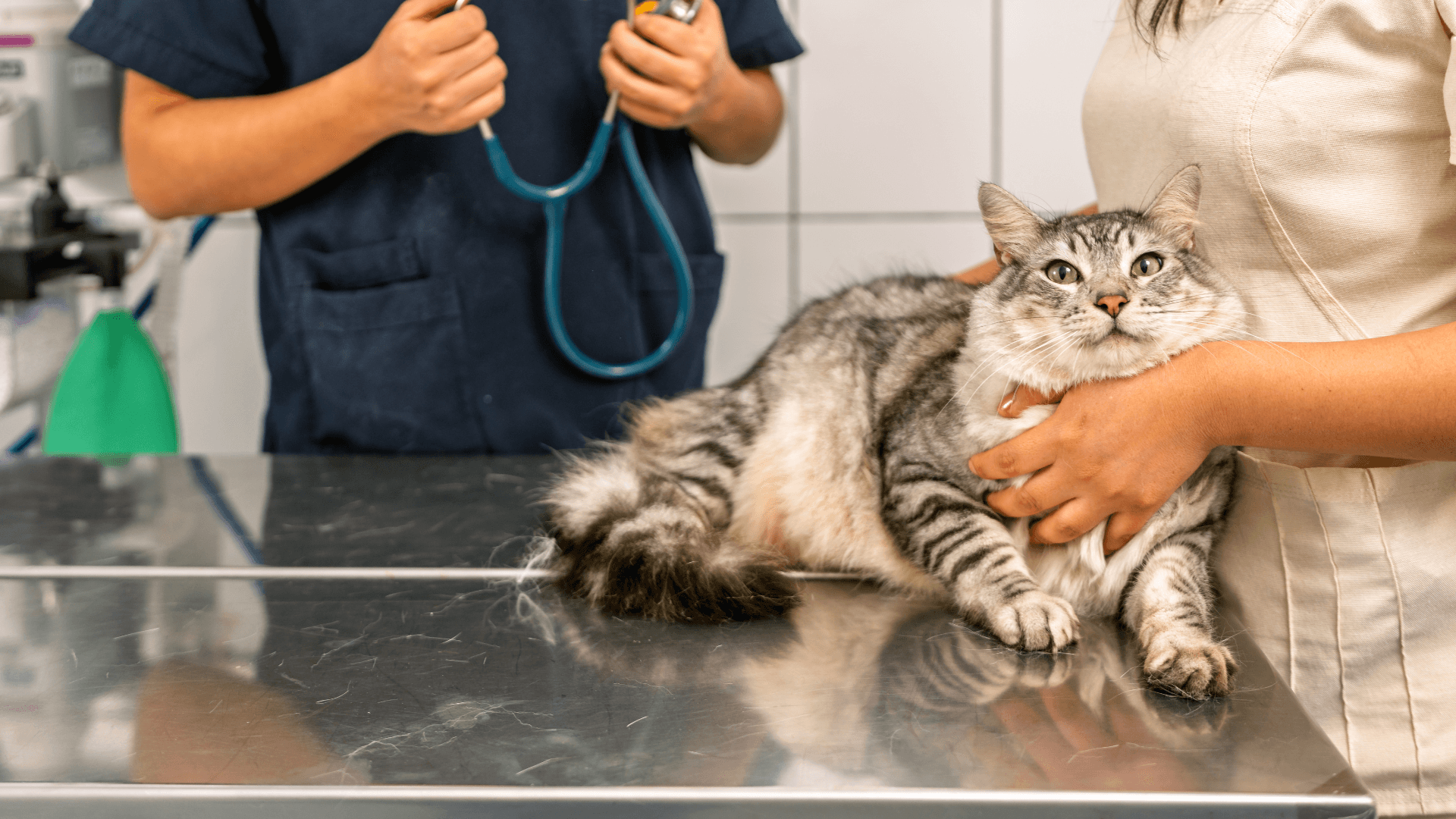
A SOAP note is a structured clinical record used to document a veterinary consultation. It organises the information from each patient visit into four sections: Subjective (what the owner reports), Objective (what the vet observes and measures), Assessment (the diagnosis or differential diagnoses), and Plan (the treatment, medications, and follow-up). The format is designed so any vet picking up the record can understand the full clinical picture without speaking to the original vet.
SOAP is the standard across veterinary practice worldwide — used in the UK, US, APAC, and beyond.
Breaking Down Each Section
Subjective
The Subjective section captures what the owner reports about the patient: the chief complaint, how long the problem has been present, any changes the owner has noticed at home, relevant feeding or exercise history.
What to include: presenting complaint, duration of symptoms, relevant history, changes in behaviour or appetite, current medications at home, previous episodes of the same condition.
Objective
The Objective section is your clinical findings: everything you observe, measure, or test.
Standard content: weight, temperature, heart rate, respiratory rate, body condition score, full physical examination, any diagnostic results available at time of writing.
The Objective section should be specific enough that another vet reading it knows exactly what you found, not what you concluded. "Muffled heart sounds and mild respiratory effort, SpO2 92% on room air" is Objective. "Patient appeared to be in respiratory distress" is drifting toward Assessment.
Assessment
The Assessment section contains your clinical reasoning: your diagnosis if you have one, differential diagnoses if you don't, and the rationale for your thinking.
Compliance language often lives here. In Australia and NZ, certain phrases around diagnosis, prognosis, and drug use are required to meet regulatory standards.
Plan
The Plan section documents what you're going to do, or what you did. Treatment administered, medications prescribed (with dose, route, frequency, and duration), client instructions, follow-up appointments, referrals, outstanding diagnostics.
A well-written Plan functions as a complete handover document. If this patient presents tomorrow with a different vet on duty, that vet should be able to read the Plan and know exactly what was done, what was prescribed, and what still needs to happen.
Why SOAP Became the Standard
SOAP became standard in veterinary practice for three reasons:
Consistency: Any vet in a practice can read any note without decoding a different format.
Legal defensibility: The record demonstrates what you found, what you concluded, and what you did, in that order.
Communication: The note functions as a handover even when you're not available.
Common Mistakes in SOAP Notes
Sparse Objective sections. "Physical exam WNL" with no specifics is defensible until it isn't. Weight, temperature, heart rate, and a brief system-by-system summary take 60 seconds to dictate.
Conflating Assessment and Plan. Keep the reasoning in Assessment, the actions in Plan.
Missing compliance language. Jurisdiction-specific phrases are not optional. They should be present consistently, not added when someone remembers.
Vague follow-up instructions. "Monitor at home" means nothing to the next vet. Be specific.
How AI Scribing Handles SOAP Notes
Tools like VetNotes, an AI scribe for vets, listen to the consultation and produce a SOAP-structured note automatically. The output follows the four-section format, includes compliance phrases, and is ready for review before the patient leaves the room.
Instead of building the note from memory after a six-consult morning, you review a structured draft in 90 seconds. The note then goes into the patient record in your PMS (EzyVet, RxWorks, OpenVPMS, or Covetrus Ascend).
The goal of a SOAP note is a complete clinical record that another vet could pick up and understand without ever speaking to you. What changes with AI scribing is how long it takes to get there.
Frequently asked questions
What does SOAP stand for in veterinary medicine?
SOAP stands for Subjective, Objective, Assessment, and Plan. Each section captures a different part of the clinical consultation: what the owner reports, what the vet observes and measures, the diagnosis or differential diagnoses, and the treatment and follow-up plan.
How long should a vet SOAP note take to write?
Writing a SOAP note from scratch takes most vets 8 to 10 minutes per consult. Using an AI scribe like VetNotes, the draft generates during the consultation and takes under two minutes to review and approve.
Are SOAP notes legally required in Australia?
No. But Australian and New Zealand veterinary boards require thorough clinical records documenting findings, diagnoses, and treatments. A good SOAP format meets those requirements and is standard across APAC practice.
Can AI write SOAP notes accurately for vets?
Yes, when built specifically for veterinary clinical language. VetNotes generates SOAP notes from consultation audio in veterinary clinical terminology, ready for your review and approval before going into the patient record.
Want to save 60+ minutes a day on clinical note-taking?
Book a 15-minute demo with the VetNotes team to get started today.
Related reading
Related Blogs
See All Blog
The Best AI Scribes for Vet Clinics Remember Your Practice
The best AI scribes for vet clinics do more than transcribe a consult. They learn how your practice operates and carry that in
AI in Veterinary Practice: What’s Actually Going to Change
How do I use AI in my vet practice?The biggest AI opportunity right now for vet clinics is automating clin
What Is a SOAP Note in Veterinary Practice?
What is a SOAP note in veterinary practice?A SOAP note is a structured clinical record used to document a
A management platform to help you succeed
Simplify your workforce's time management with our intuitive HR Management.
Book 15-min demo160+ Countries

Canada

Ecuador

Guinea

Romania
Canada
Ecuador
Guinea
Romania

Scotland

Qatar

Honduras

Cuba
Scotland
Qatar
Honduras
Cuba

Brazil

Argentina
Canada
Ecuador
Brazil
Argentina
Canada
Ecuador
Guinea
Romania
Scotland
Qatar
Guinea
Romania
Scotland
Qatar
Putting our customers at the heart of everything we do, we strive.
12M secured users

Putting our customers at the heart of everything we do, we strive.