Mar 24, 2026
7 Ways to Run a More Efficient Vet Clinic

Most vet clinics have the same goal: see more patients without working more hours. The fastest gains come from cutting time lost to tasks that don't require clinical skill.
Below are seven changes that move the needle:
1. Standardise how notes are written across the practice
When every vet structures notes differently, it creates downstream problems: slower file reviews for locums covering your practice, inconsistent records for ongoing cases, more time spent interpreting what a colleague wrote.
A standard SOAP template across the practice doesn't constrain clinical judgment. It removes the friction of individual variation. A one-page style guide covering what goes in each section is enough to start.
2. Use an AI scribe to reduce post-consult documentation time
The single biggest efficiency gain available to most practices right now is reducing the time spent writing notes after clinic.
A tool like VetNotes listens to the consultation and generates a structured SOAP note automatically, with compliance phrases built in. The draft is ready within seconds of the consult ending. Reviewing it takes under two minutes. Writing from scratch takes considerably longer.
For a vet seeing 20 patients a day, that's hours returned.
3. Complete billing entries during the consultation, not after
Post-consult billing entry is a second pass over work already done. Most PMS platforms allow billing codes to be added during the consultation. Build the habit: enter the code when you administer the treatment.
VetNotes also detects billable items from the consultation audio automatically, reducing missed charges without any extra step.
4. Map which tasks actually require a vet
Not everything in the post-consult workflow requires clinical training. Discharge summaries, scheduling follow-up appointments, routine billing entry, owner call-backs for simple queries: some of this can be handled by nurses or reception staff if the right system is in place.
Spend 30 minutes auditing last week's admin load. Ask: does this task require clinical judgment, or does it require access and familiarity? Shift what you can.
5. Handle referral letters before the consult, not during
Walking into a consult with a long referral letter you haven't read means the first few minutes of the appointment are spent catching up on history while the patient and owner wait.
VetNotes' Document Summariser condenses specialist reports and referral letters to the clinically relevant points. Even without a tool, blocking 60 seconds per referred patient before clinic starts is a worthwhile habit.
6. Batch non-urgent communications
Client communications don't all require a real-time response. Recall reminders, post-op check-ins, lab result notifications: most follow predictable patterns. Build a template library and schedule the routine ones in batches rather than handling them one at a time throughout the day.
7. Measure where the time actually goes
Most efficiency problems in vet clinics aren't where the team thinks they are. Run one week where everyone logs what they're spending time on in 15-minute blocks. The results are usually surprising.
Time tracking isn't a management tool. It's a diagnostic. Use it once to find where the biggest leaks are, fix them, and move on.
Want to get started automating your clinical notes?
Book a 15-minute demo with the VetNotes team to get started today.
Related reading
Related Blogs
See All Blog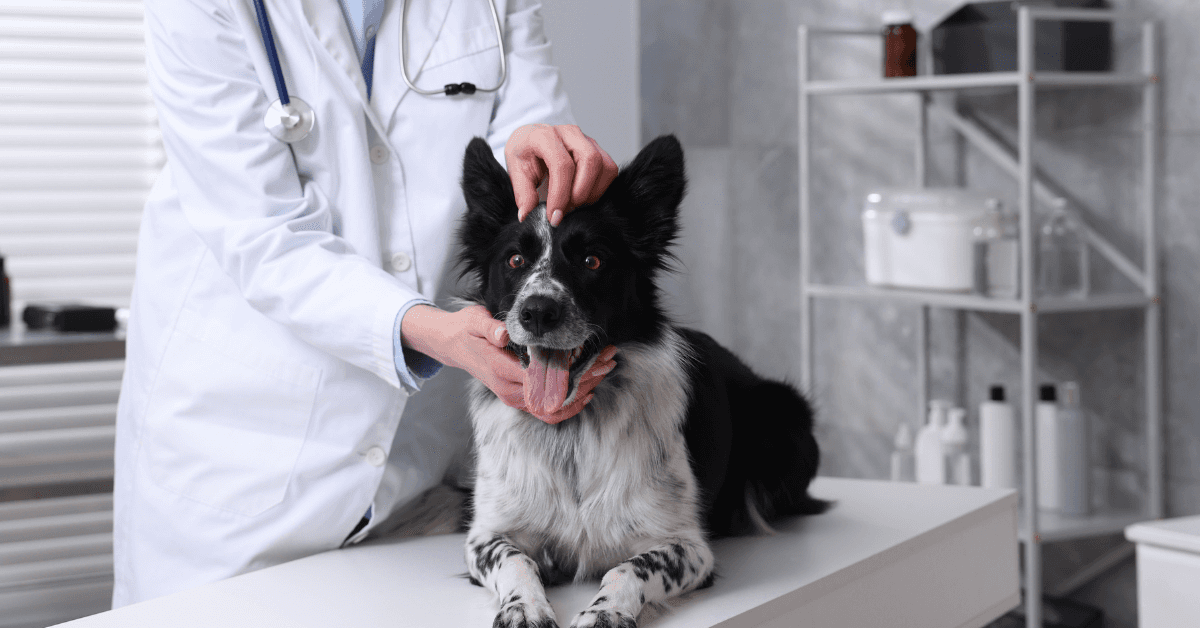
The Best AI Scribes for Vet Clinics Remember Your Practice
The best AI scribes for vet clinics do more than transcribe a consult. They learn how your practice operates and carry that in
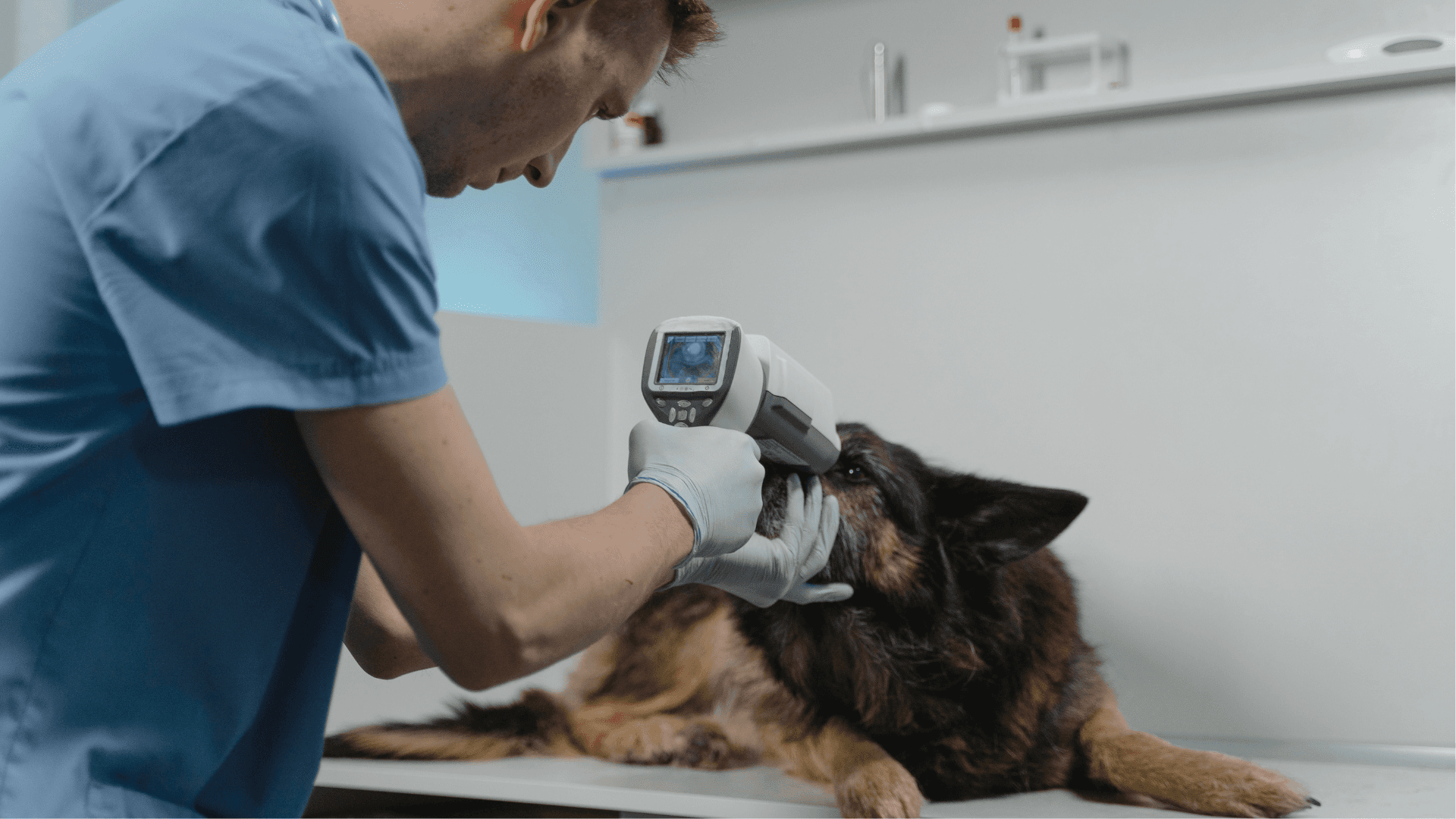
AI in Veterinary Practice: What’s Actually Going to Change
How do I use AI in my vet practice?The biggest AI opportunity right now for vet clinics is automating clin
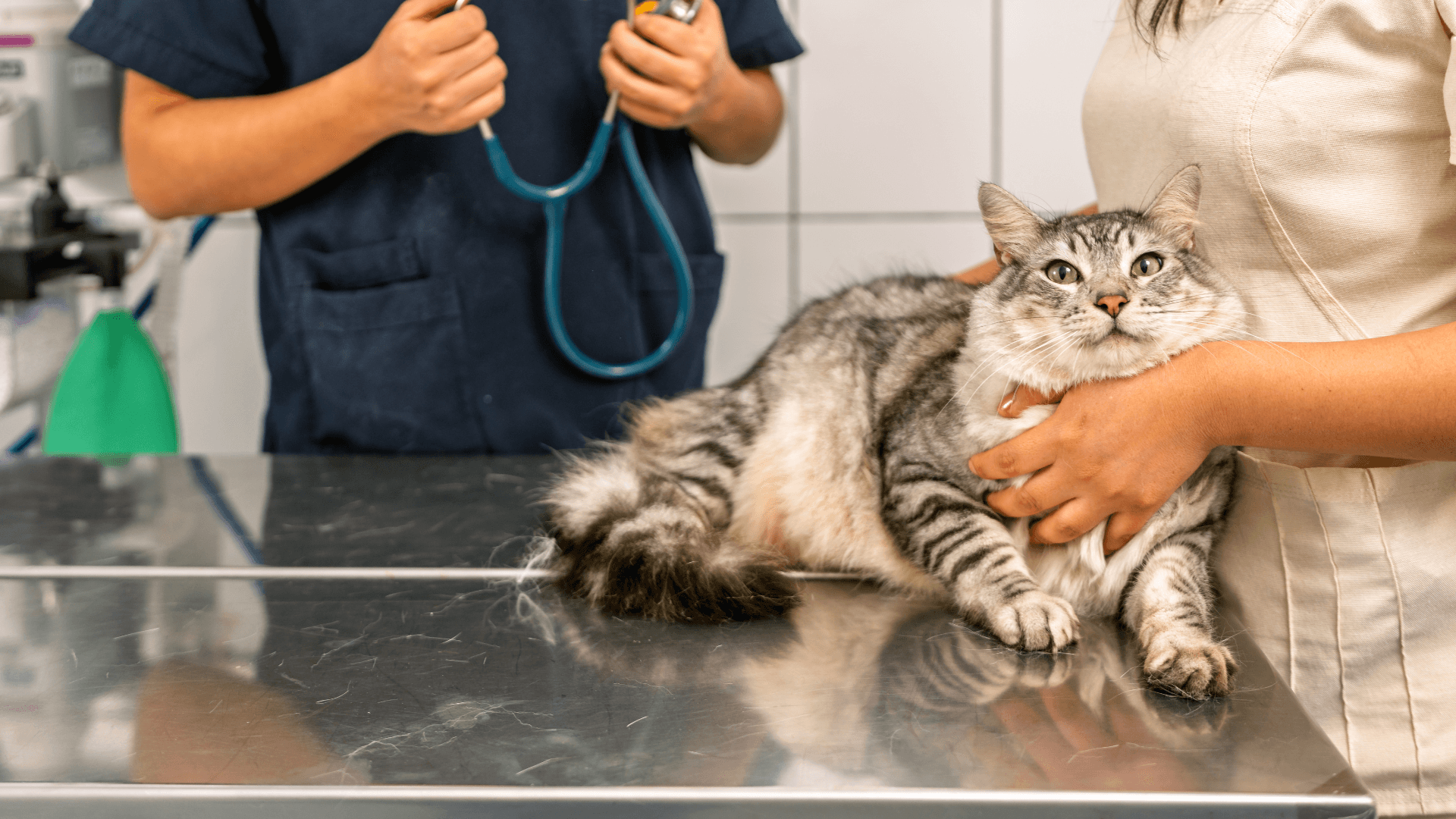
What Is a SOAP Note in Veterinary Practice?
What is a SOAP note in veterinary practice?A SOAP note is a structured clinical record used to document a
A management platform to help you succeed
Simplify your workforce's time management with our intuitive HR Management.
Book 15-min demo160+ Countries

Canada

Ecuador

Guinea

Romania
Canada
Ecuador
Guinea
Romania

Scotland

Qatar

Honduras

Cuba
Scotland
Qatar
Honduras
Cuba

Brazil

Argentina
Canada
Ecuador
Brazil
Argentina
Canada
Ecuador
Guinea
Romania
Scotland
Qatar
Guinea
Romania
Scotland
Qatar
Putting our customers at the heart of everything we do, we strive.
12M secured users

Putting our customers at the heart of everything we do, we strive.